
Az ampullák szivárgásvizsgálata kritikus szerepet játszik a gyógyszeripari minőségbiztosításban. Az ampullákat széles körben használják injektálható gyógyszerek, vakcinák és biológiai készítmények esetében, ahol a tartály lezárásának integritása közvetlenül befolyásolja a sterilitást, a stabilitást és a betegbiztonságot. Még a mikroszkopikus szivárgások is lehetővé tehetik az oxigén, a nedvesség vagy a mikroorganizmusok bejutását, ami a termék romlásához vagy szennyeződéséhez vezethet. Emiatt megbízható ampullák szivárgásvizsgálata továbbra is kötelező lépés a fejlesztés, a validálás és a rutinszerű gyártás során.
Ez a cikk átfogó bevezetést nyújt az ampullák szivárgásvizsgálatához, a vizsgálati elvekre, a gyakorlati eljárásokra és a nemzetközi szabványokra összpontosítva. Azt is elmagyarázza, hogy a modern roncsolásmentes technológiák hogyan segítik a gyógyszergyártókat a megfelelőség és a hatékonyság javításában.
ASTM F2338 és az injekciós üveg szivárgásvizsgáló gép áttekintése
ASTM F2338 az egyik legszélesebb körben elismert szabvány a roncsolásmentes csomagolóanyag-integritás vizsgálatára. Bár eredetileg az orvosi és gyógyszeripari csomagolásokhoz fejlesztették ki, alapelvei közvetlenül alkalmazhatók a következőkre is ampulla szivárgásvizsgálat alkalmazások.
Az ASTM F2338 leírja a vákuumos bomlási módszer, ahol egy lezárt ampullát helyeznek egy tesztkamrába. A vákuum alkalmazása és az izolálás után a rendszer figyeli a nyomás időbeli változását. A kamrai nyomás bármilyen növekedése azt jelzi, hogy az ampullából gáz vagy gőz szivárgási útvonalon keresztül távozik.
A gyakorlatban ez a módszer zökkenőmentesen integrálódik egy modern injekciós üveg szivárgásvizsgáló gép, lehetővé téve a merev tartályok, például üvegampullák és üvegfiolák következetes és megismételhető vizsgálatát. A hagyományos festékbehatolási módszerekkel összehasonlítva a vákuumos bomlásvizsgálattal elkerülhető a szubjektivitás, a szennyeződés kockázata és a roncsolásos mintavétel.
Miért fontos az ampullák szivárgásvizsgálata?
Az ampullák szivárgásvizsgálata biztosítja, hogy minden egyes tartály az eltarthatósági idő alatt megőrizze steril gátját. Az ampullák gyakran tartalmaznak folyékony készítményeket minimális térközzel, ami a szivárgás kimutatását nagyobb kihívássá teszi, mint a rugalmas csomagolások esetében.
Hitelesített ampullaszivárgásvizsgálat nélkül a gyártóknak számos kockázattal kell szembenézniük:
- Sterilitásvesztés és mikrobák behatolása
- Oxigénbehatolás okozta oxidáció
- Szabályozási előírások be nem tartása
- Termékvisszahívások és betegbiztonsági incidensek
Az ampullák szabványosított szivárgásvizsgálata támogatja a GMP, USP és a globális szabályozási elvárásoknak való megfelelést.
Az ampullás szivárgásvizsgálatra alkalmazott vákuumlebomlás elve
Az ASTM F2338 szabványban meghatározott vákuumos bomlási módszer a következőkre támaszkodik nyomásstabilitási elemzés a vizuális jelzők helyett. Az ampullák szivárgásvizsgálata során a vizsgáló kamra egy előre meghatározott vákuumszintig kiürül, majd elszigetelődik a vákuumforrástól.
Szivárgás esetén az ampulla fejteréből gáz távozik a kamrába, ami mérhető nyomásnövekedést okoz. Folyadékkal töltött ampullákban a vákuumcsökkenés a folyadék elpárolgásával is összefügghet, ami csak akkor következik be, ha az alkalmazott vákuum a folyadék gőznyomása alá csökken. E viselkedés megértése lehetővé teszi a kezelők számára a megfelelő vizsgálati paraméterek beállítását.
A legfontosabb befolyásoló tényezők a következők:
- Vizsgálati kamra térfogata
- A nyomásérzékelő érzékenysége
- Vizsgálati idő és kiegyenlítési idő
- Ampullakialakítás és töltési feltételek
A gondos paraméterválasztás javítja az érzékenységet és minimalizálja a háttérzajt.
A minta előkészítése és a vizsgálati eljárás
Az ampullák megbízható szivárgásvizsgálata a minta megfelelő kezelésével kezdődik. A kezelőknek biztosítaniuk kell, hogy az ampullák a vizsgálat előtt tiszták, szárazak és külső szennyeződésektől mentesek legyenek.
Egy tipikus vizsgálati folyamat a következőket tartalmazza:
- Az ampulla elhelyezése a lezárt vizsgálati kamrába
- Vákuum alkalmazása a megadott nyomásszintre
- A kamra elszigetelése a vákuumforrástól
- A nyomásváltozások nyomon követése meghatározott idő alatt
- Az eredmények összehasonlítása a megállapított elfogadási kritériumokkal
Mivel ez az ampullaszivárgás-vizsgálati módszer továbbra is roncsolásmentes, a vizsgált minták szükség esetén visszakerülhetnek a gyártásba vagy stabilitási vizsgálatokba.
Az injekciós üveg szivárgásvizsgáló gép szerepe a gyógyszeripari termelésben
Nagy teljesítményű injekciós üveg szivárgásvizsgáló gép biztosítja az ismételhetőséget, a nyomon követhetőséget és a szabályozási bizalmat. Az automatizált rendszerek támogatják mind a statisztikai mintavételi, mind az 100% ellenőrzési stratégiákat, a gyártási léptéktől és a kockázatértékeléstől függően.
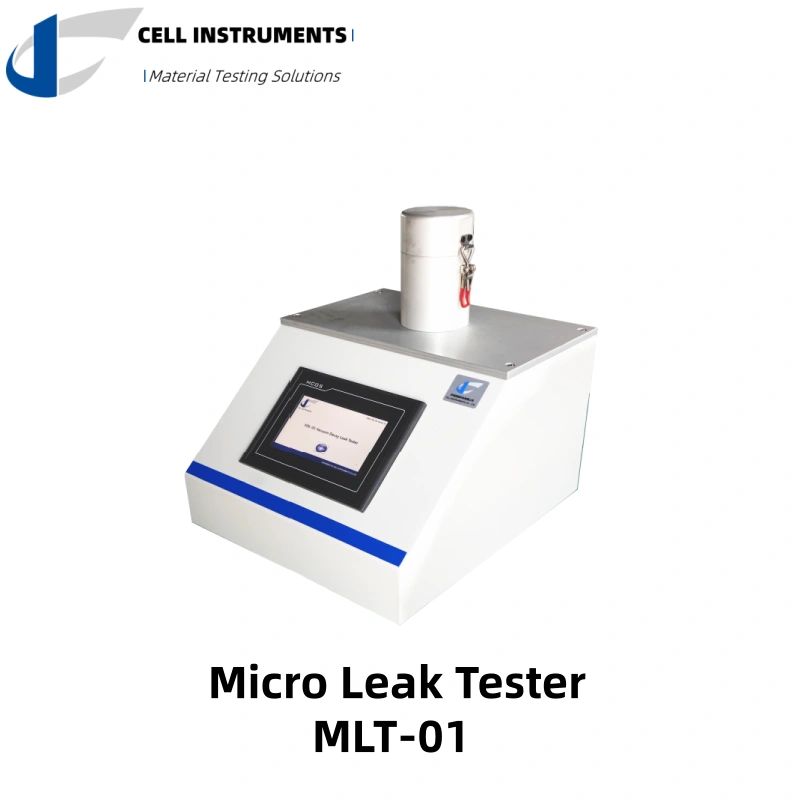
A Cell Instruments MLT-01 Mikro szivárgásvizsgáló megbízható megoldást kínál az ampullák szivárgásvizsgálatára a vákuumos bomlás elvei alapján. A nagy felbontású nyomásérzékelés, a stabil kamrakialakítás és az intuitív működés egyaránt támogatja a K+F validálást és a rutinszerű minőségellenőrzést a minta integritásának veszélyeztetése nélkül.
Következtetés
Az ampullák szivárgásvizsgálata továbbra is a gyógyszeripari csomagolási minőség egyik sarokköve. Az ASTM F2338 vákuumos bomlási elvek alkalmazásával a gyártók megbízható, roncsolásmentes szivárgásvizsgálatot végeznek, amely megfelel a modern megfelelési követelményeknek. Ha egy olyan fejlett fiolaszivárgás-vizsgáló géppel kombinálják, mint a Cell Instruments MLT-01 Micro Leak Tester, az ampullaszivárgás-vizsgálati folyamat pontosabbá, hatékonyabbá és szabályozó-barátabbá válik - támogatva a betegbiztonságot és a hosszú távú terméksikert.
 HU
HU  EN
EN  ES
ES  DE
DE  FR
FR  IT
IT  AR
AR  KO
KO  JA
JA  RU
RU  PT
PT  ID
ID  BG
BG  CS
CS  DA
DA  EL
EL  ET
ET  FI
FI  LT
LT  LV
LV  NL
NL  PL
PL  RO
RO  SK
SK  SV
SV  SL
SL  UK
UK  TR
TR